
Laurin Strele
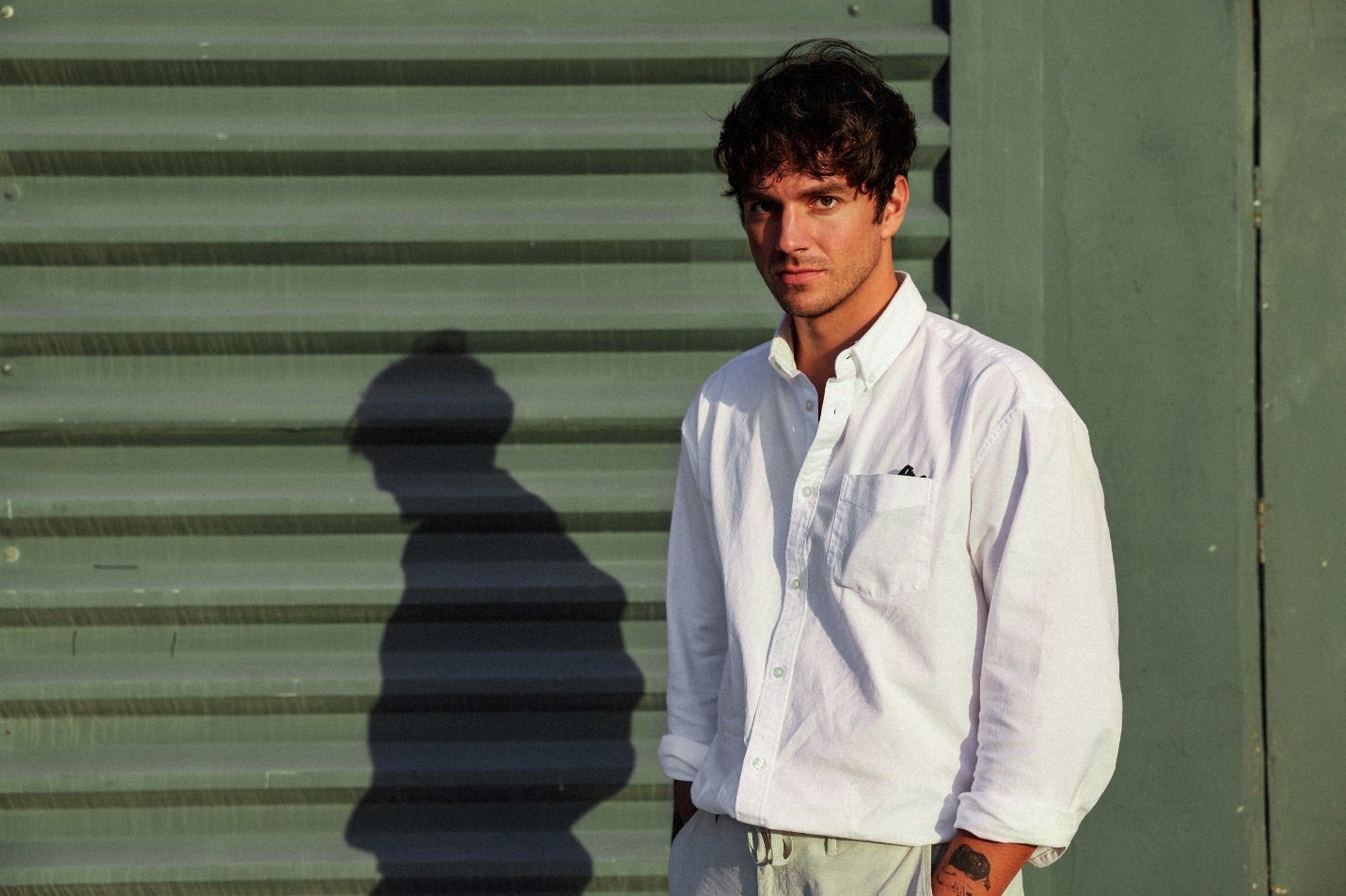
TRAVEL CATEGORY WINNER
Laurin Strele is an Austrian-born photographer and photojournalist whose work focuses on long-term documentary storytelling across conflict-affected and socially complex regions. His photography explores themes of identity, resilience, and the shared human experience, often at the intersection of politics, culture, and everyday life. Strele has worked extensively throughout the Middle East, Eastern Europe, Asia, and Africa, documenting societies shaped by transition, crisis, and quiet perseverance. Over time, his photographic voice has evolved from observation to immersion. Rather than seeking spectacle, his work is guided by proximity, trust, and patience—allowing stories to unfold naturally. Influenced by classical documentary traditions yet rooted in contemporary visual language, Strele’s images aim to balance aesthetic restraint with emotional depth, creating work that is both intimate and globally resonant.
I wanted to show discipline not as spectacle, but as a lived, daily reality. This place is often associated with myth, strength, and mastery, yet what struck me most was the repetition behind it—the quiet hours of training, the youth of the monks, and the contrast between explosive movement and moments of rest. The image speaks about becoming, not arriving.
Before arriving, I immerse myself in the cultural and historical context of a place, especially its traditions and social structures. In environments like this, preparation also means understanding hierarchy, routine, and rhythm. Once on location, I observe first—learning when to step closer and when to step back. This photograph was only possible because I allowed the training to unfold without interruption.
Respect begins with patience. I avoid directing or staging moments, particularly in culturally or spiritually significant environments. Here, I worked quietly at the edge of the space, allowing the monks to move naturally through their routines. Authenticity comes from presence—when people forget the camera and return fully to what they are doing.
One of the main challenges was balancing access with restraint. Spaces like this demand sensitivity; not every moment is meant to be photographed. As a traveler, I had limited time, but as a photographer, I needed to slow down. Knowing when not to photograph was just as important as pressing the shutter.
Rather than focusing on the iconic image people expect, I look for moments that reveal process. This photograph avoids the dramatic stage and instead captures training in an ordinary courtyard. By stepping slightly aside from the expected viewpoint, the image becomes less about legend and more about human effort.
Human presence is central. Even in moments of physical intensity, I am interested in vulnerability—fatigue, concentration, youth. In this image, the contrast between motion and rest highlights the physical and mental demands placed on these young bodies. It reminds us that tradition is carried forward by individuals, day after day.
This recognition is meaningful because it values depth over spectacle. It affirms that travel photography can move beyond postcard imagery and engage with culture in a more honest way. To young photographers, I would say: stay longer than feels comfortable, observe more than you shoot, and resist the urge to simplify complex places. The strongest images often live in the space between action and silence.