
Thomas de Franzoni
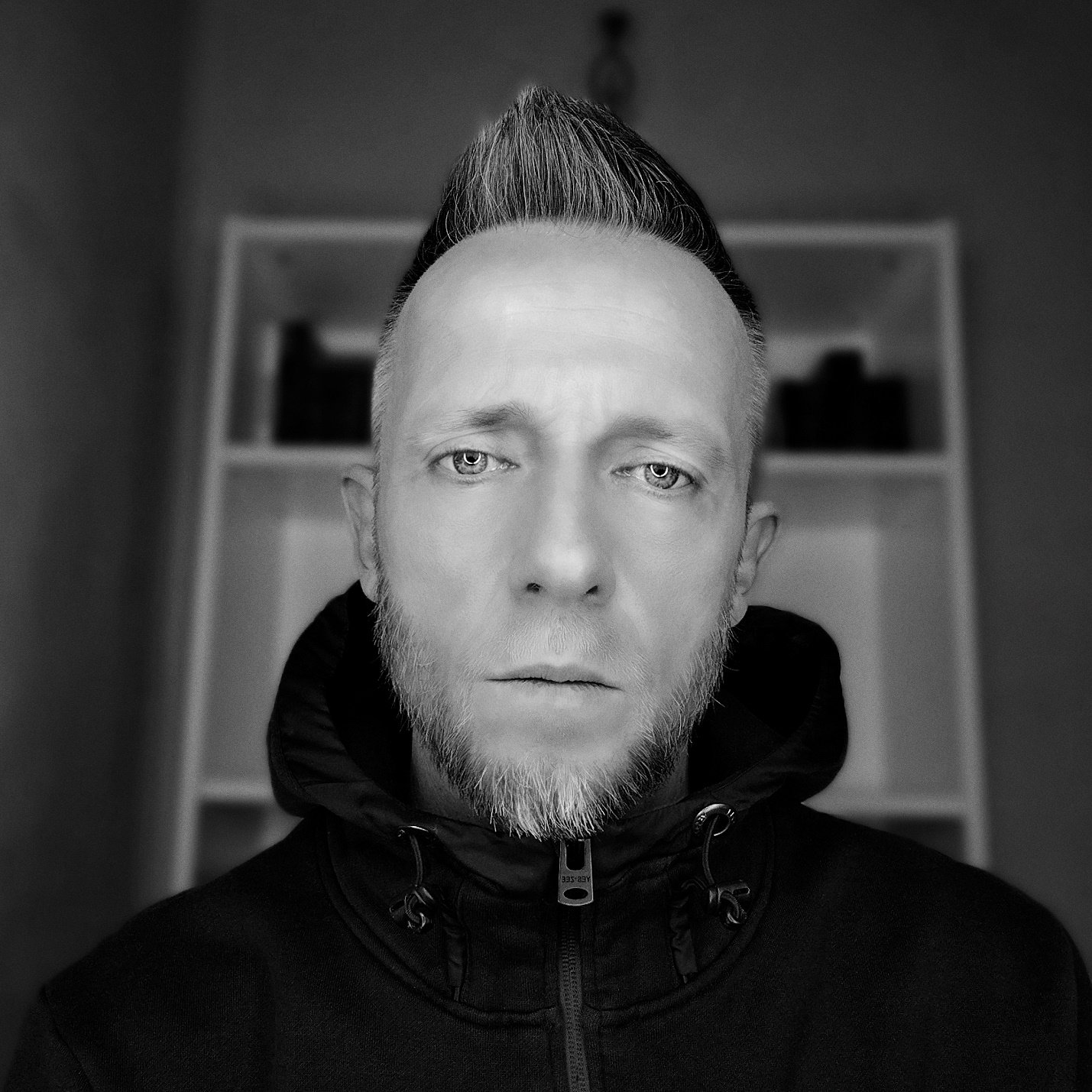
THOMAS DE FRANZONI
MINIMALIST CATEGORY WINNER
Thomas de Franzoni is a fine art photographer based in the northeast of Italy. He began his photographic journey in 2018, developing a distinctive visual language rooted in minimalism and quiet contemplation. Drawn to landscapes and solitary natural elements—often a single tree standing in open space—his work explores silence, balance, and the emotional weight of emptiness through a refined black-and-white aesthetic. Over the years, his photographic voice has evolved toward an even more essential and personal style, where atmosphere and form take priority over description. Through careful composition and subtle tonal control, he transforms simple scenes into timeless visual meditations. His work has been recognized in numerous international photography competitions and exhibited in galleries and magazines, confirming his place within contemporary fine art landscape photography.
I was inspired by the feeling of silence and space that the scene naturally carried. By reducing it to its essential visual elements, I wanted to remove anything that could distract from the core emotion of the photograph. Minimalism, for me, is not only an aesthetic choice—it’s a way to guide the viewer toward what really matters: shape, balance, light, and atmosphere. Simplifying the composition also helps create a timeless image, where the subject becomes almost symbolic rather than descriptive. In this way, the photograph is less about documenting a place and more about translating a mood—something calm, solitary, and contemplative.
I look for a single clear visual idea inside the chaos. Even in complex environments, there is usually one element that carries the emotional weight of the scene: a line, a shape, a contrast, a solitary subject, or a specific relationship between objects. Once I find that “anchor,” everything else becomes secondary. Simplicity is not the absence of detail, but the control of it. I identify it by observing how the scene can be reduced through framing, perspective, and timing—often using negative space, fog, or clean tonal separation to isolate the subject. My goal is always to create an image where the viewer immediately understands what to look at, and then has space to feel something beyond the literal landscape.
Negative space is a fundamental part of my composition, not just an empty background. It creates breathing room and gives the subject importance, allowing it to exist with clarity and intention. In minimalist photography, what is not shown is often as powerful as what is shown. It also shapes the emotional atmosphere of the image. Negative space can suggest silence, solitude, infinity, or stillness, and it helps slow down the viewer’s gaze. By leaving space around the subject, I invite the viewer to pause, reflect, and connect with the photograph on a deeper, more contemplative level.
In my minimalist work, color (or its absence), light, and geometry are inseparable—they work together to create structure and emotion. Since I often photograph in black and white, tonal values replace color: light becomes the main language, defining shapes, separating layers, and guiding the viewer’s attention through the frame. Geometry gives the scene order and balance. Lines, edges, horizons, and repeating forms create a quiet rhythm, while light controls the intensity and mood. When these elements align—clean geometry, controlled light, and simplified tones—the image becomes both minimal and expressive: reduced to essentials, yet rich in atmosphere.
One of the biggest challenges is that minimalism leaves no room for mistakes—every element in the frame carries weight. With fewer subjects and fewer details, composition, spacing, and tonal balance must be extremely precise, otherwise the image can feel flat or incomplete. To keep minimalism visually engaging, I focus on subtle tension and harmony: the relationship between subject and negative space, the strength of geometry, and small variations in light, texture, or atmosphere. My goal is to create images that feel simple at first glance, but that reward the viewer the longer they look, revealing depth, emotion, and quiet complexity within the minimal scene.
My process is a balance between planning and spontaneity. I often plan in terms of location, season, and light—especially when I’m searching for minimal scenes where a single element can stand out. I like to return to certain places because I know they have potential, and I wait for the right conditions to simplify the environment. At the same time, the most important part is always spontaneous. Atmosphere changes quickly—fog, clouds, wind, and light can transform a scene in seconds. Many of my best images come from being fully present and reacting instinctively: adjusting framing, simplifying the composition, and capturing that brief moment when everything aligns.
This achievement has meant a lot to me because it feels like a confirmation that a quiet visual language can still be heard. Minimalism is often subtle and personal, and it doesn’t aim to impress through spectacle—so being recognized for this kind of work is deeply motivating. It encourages me to continue refining my vision and to trust the simplicity that I’m drawn to. To young minimalist photographers, my advice would be: learn to slow down and be extremely intentional. Minimalism is not about “having less,” but about making every element meaningful. Study light, shape, and balance, and don’t be afraid of empty space—it can carry emotion. Most importantly, be patient and consistent: develop a recognizable voice by photographing what truly resonates with you, not what is trending. Over time, simplicity becomes not only a style, but a way of seeing